Nurse shark
Ginglymostoma cirratum
- Scientific name
- Ginglymostoma cirratum
- Group
- Sharks & Rays
- Rarity
- Common
- Where to see it
- Caribbean & Tropical Atlantic, Indo-Pacific & Red Sea
- Conservation status (IUCN)
- Vulnerable
Did you know?
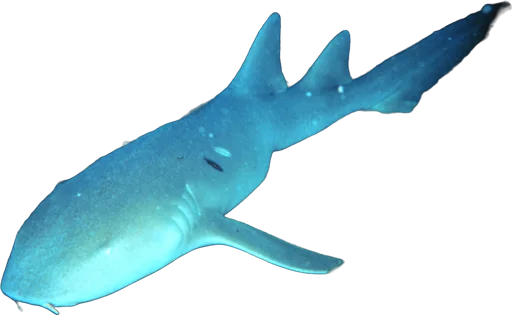
The nurse shark spends its days resting motionless on the bottom, often piled up with others in a crevice, and heads out to hunt at night using sensitive barbels that detect prey buried in the sand. Despite its docile look, it remains vulnerable to coastal fishing.
What defines this group — Sharks & Rays
The cartilaginous fish: not a single bone in the body, a skeleton made entirely of cartilage.
- A cartilage skeleton, lighter and more flexible than bone.
- No gill cover: five to seven gill slits open on the sides or underneath.
- Pores on the snout — the ampullae of Lorenzini — pick up the electric field of prey.
Other species in this group
- Common stingray
- Blacktip reef shark
- Small-spotted catshark
- Common torpedo ray
- Bluespotted ribbontail ray
- Thornback ray